O hajaschiskero grobo
Januar 8th, 2022 | Published in Film & Theater, Geschichte & Gedenken, Literatur & Bücher, dROMa (Magazin)
 So o rodipe pal jek phagerdo hajo pedar o Roma phukal
Ande jek dokumentacijakero film taj ande jek kenva phukal o britanitiko John Henry Phillips jeke barikane pajtaschtschagostar taj le lejcti kivanipestar jeke hajaschistar. Tschatschikan, ov ham buteder phukal.
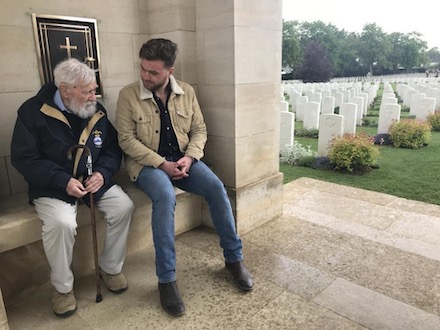
Nisaj koja, adaj upro Roma te gondolinel mukel: Jek terno mursch pomoschinel jeke britanitike marinejakere veteraniske (94) leskere haburiskere traumaha ando tschatschipe te al. Uso aunavipe andi Normandija 1944 leskero hajo upre jek mina upre naschtscha taj le pajtaschenca tel gelo. Jek trauma, savo le phure, savo bojd korkore buter te dschal na dschanel, ham le dschuvlenge mindig jek vodschikano probo hi, leskero cilo dschivipe vodinel.
Leskero pajtaschi John Henry Phillips kamla le na lakle hajaschtschenge jek gondolipeskero bar te kerel taj vaschoda upro drom pe kerel, o phagerdo hajo ando Ärmelkanal te rodel. Ov historikertschen taj bare pajiskere archejologtschen mobilisirinel, andi Normandija ladel taj muguli te tauchinel siklol – mindig vodim jeka kameratar.
O dokumentacijakero film No Roses on a Sailor’s Grave (reschi: Daniel Oron), savo andral kerdo ulo, akan jerim upro festivaltscha sikado ol, lejctivar uso filmiskero kurko „Ake dikhea?“ ande Berlin. Ham andi maschkarutni cajt o John o materijal te jeka kenvake prik butschalintscha: The Search akan bojd use Robinson ande London ari al.
Telal o telutno than
Upro erschti dikipe nisaj koja adaj adala historijatar phukal – na i tema, na o than, na o protagonistscha –, hot adaj te i historija jeke tschulipestar fahandlim ol. Nisaj alaveha schundo ol, hot o terno mursch uso britanitiko Romengero-tschulipe kerinel.
Telal o telutno than le phukajipe ham motivtscha hi, save prindscharde hi. Mind adaj sa vasch o trauma le themeskere haburiskere berschendar pe handlinel taj vasch o probalinipe, jeke pobisterde terdschijipeske, jek schunipe te schofinel. Adaj vasch o aunprindscharipe taj vasch jek patijardo gondolipe dschal: Te o John le biro jeke francitike schtraundiskere forostar kher rodija taj jek gondolipeskero mulatintschago le britanitike nimcenge angle tschalatscha, ada upre scentscha ando slovakitiko film Wie ich Partisanin wurde (diken dROMa 62) pal te gondolinel mukel – le kojaha, hot o John uso francitike prade vudara ande naschel.
Te le anavengere dime hajaschiskere grobo, leskeri analogija ando terdschijiptscha le Romendar hi: But schelberschengero o ladaschtscha mujsim sina, lengere mulen, dur donde, ande mindenfelitike thana, ande te hanel. Te tradipe taj flogoskero murdaripe use vodintscha, hot but lendar oni groboskero than atschine. Dschi adi familiji na dschanen, kaj lengere dschene murdarde taj and handle ule. „Mre familijakere dschenen nan grobi/niko pal na gondolinel/kaj on paschlon“, butschol ande jek poesija le Mircea Lacatusistar.
Bokreti ando baro paj
Te le Johniskeri ajgeni familija uso „Romani Travellers“ genel; leskeri daj upre jek terdschojipeskero than upro them ali. Ojs schtudirimo archejologo John na dur pal, jek forschinipeskero projekto kesdintscha, savo o historischi terdschojipeskere thana, afka akarde „Hatchin Tans“ te dokumentirinel. Ando internet kipi le „Gypsy Gravesendar“ sikal, save imar angle generaciji upro agune terdschojipeskere thana kerde te ujanahi. Upre jek phuro familijakero kipo leskeri daj te dikel hi, kada oj upre jek rito use jek grobo, kaj nisaj anav upre terdschol, tschangalinel. Taj o John o phutschajipe peske terdscharel, sar ov ojs archejologo asaj thanenca um te dschal.
Gejng o kisetinipe le filmistar, palo gondolipeskero akto le na lakle hajaschtschenge, o dschene lole roslini ando baro paj hintinen. Te ada, jek Romengeri-referenca: Mint sajt o 4to themeskero kongreso le Romendar, 1990 o Internacijonali Romengero-Di ar kertscha, aktivistscha lole bokreti ande lenja, bare lofki taj bare paja paschlaren: jek koja le gondolipestar, savo telal o Roma ando cilo them sik palal keraschtscha lakla.
Telal o patrijotischi use utschardo phukajipe le haburiskere veteranistar, phukal amenge o John hat garudo – taj schaj, oni dschando kamipe – meg jek dujti historija: oja le kolektivi terdschijipestar le Romendar. Kaj use leskero barikano keripe le phure murscheske te vasch i ajgeni familijakeri historija dschal, sikal pe ande jek harni sekvenca, ande savi o John pedar leskero mulo papu vakerel. Leha schoha pedar o bibastale koji le haburistar vakertscha. Taj akan imar buter na dschal.
Le Roman Urbaneristar
No Roses on a Sailor’s Grave, dokumentacijakero film, reschi: Daniel Oron, 83 min (2020)
John Henry Phillips: The Search – The true story of a D-Day survivor, an unlikely friendship and a lost shipwreck off Normandy, London: Robinson/LBBG (2022)
Ando: dROMa 64, Winter/Dschend 2021
(→Themenheft/temakeri heftlina Bücher 2 / Kenvi 2)

